3 min read · Free
Dry mouth and swallowing
Saliva is what food slides on. Less of it makes chewing and swallowing harder.
Awaiting clinical review. This page is written from general, widely accepted background on how eating and swallowing work. It has not yet been signed off by a named clinician, and it is not a substitute for asking one.
Why it matters for swallowing
Saliva wets food and helps it hold together. Without enough, food stays dry and crumbly.
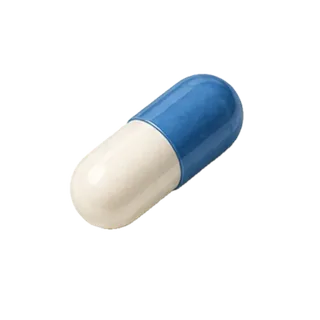
Pills stick too. Chewing, swallowing and even talking can get harder.
Common causes
- Medicines. Hundreds can cause it, including some for blood pressure, depression and bladder control.
- Radiation to the head and neck, and some cancer drugs.
- Some conditions, such as Sjogren's disease and diabetes.
- Not drinking enough.
It is not just getting older
The NIH is clear on this: dry mouth is not a normal part of aging.
If your mouth is often dry, there is usually a reason worth finding.
Simple things that help
If you have been told to limit fluids, follow your doctor's advice.
- Sip water or a sugar-free drink during meals.
- Chew sugar-free gum, or suck sugar-free candy.
- Limit caffeine and alcohol. They can dry your mouth.
- Don't smoke.
- Try a humidifier at night.
When this is worth asking about
- Your mouth is dry most days. Ask your doctor or dentist. A medicine or dose may be changed.
- Dry mouth makes it hard to eat, swallow or talk.
- You have mouth sores, burning, or infections that keep coming back.