Learn
Understand the things you notice.
Short lessons on how eating and swallowing work. Each one says when to ask for help.
Quick tips from a swallowing expert
Short clips from Dr. Humbert, a speech-language pathologist who studies swallowing.
All lessons
How swallowing works
What your mouth and throat do, every day.
How often do we swallow?
While you are awake, you swallow every minute or two without thinking. Here is why, and what saliva is doing all day.
Read lesson3 minWhat does chewing actually do?
Chewing and saliva turn a bite into a soft, wet ball that is ready to swallow. Here is what that looks like, and a simple way to notice it.
Read lesson3 minWhat does chewing actually need to accomplish?
Chewing has a job with a finish line: turn a bite into something soft, wet and held together. Here is what that means, and why some foods never quite get there.
Read lesson5 minIs it normal for swallowing to change as you get older?
Swallowing gets a little slower with age, and there is less in reserve. That is normal. Some changes are not, and they are worth checking.
Read lesson4 minCan a dry mouth make swallowing harder?
Dry mouth is common, and medicines are a big cause. It is not a normal part of aging. Here are simple things that help, and when to ask.
Read lesson3 min
Food, drinks and pills
Why some things feel harder than others.
Why can pills feel harder to swallow?
A pill is small, but it behaves nothing like food. Here is what actually changes how a pill feels going down, and what to ask your pharmacist.
Read lesson7 minWhy do dry or sticky foods feel so different?
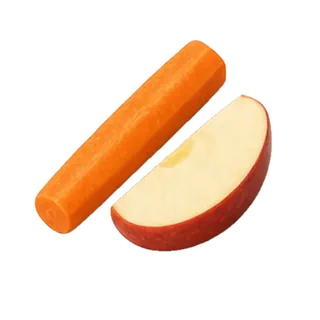
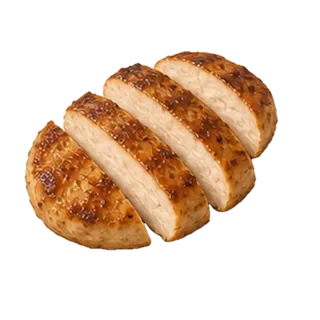
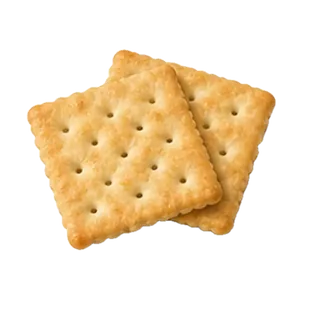
Dry, sticky, crunchy and mixed foods each cause trouble in a completely different way. Here is what each one is actually doing.
Read lesson6 minDoes temperature change how swallowing feels?
Cold and warm drinks genuinely feel different to swallow. Here is what is reasonable to say about that, and what is not.
Read lesson4 minWhat does carbonation change?
Some people find fizzy drinks noticeably easier; others find them much worse. Both are common, and the reason they differ is worth understanding.
Read lesson4 minDoes cold water make swallowing easier?
Cold and fizzy drinks send a strong signal to your mouth and throat. That can feel easier. Whether it changes the swallow itself is less clear.
Read lesson3 min



Coughing and staying safe
What a cough means, and when to get help.
Why do I cough or clear my throat when I eat?
Coughing while eating is your airway protecting itself. Occasional is ordinary; a pattern is worth paying attention to.
Read lesson5 minWhat is the difference between coughing and choking?
A cough is loud, and that is a good sign. True choking is quiet: no breath, no voice, no cough. Here is how to tell them apart.
Read lesson3 minShould I pat someone on the back when they cough on food?
The friendly pat on the back is a habit, not first aid. If someone can cough, let them cough. Here is what to do instead.
Read lesson3 minWhat does it mean when food feels stuck?
"It feels stuck" is one of the most common things people say and one of the least specific. Location and timing are what turn it into useful information.
Read lesson5 min
Meals and feelings
Eating with others, worry, and who can help.
Why does eating make me anxious?
If something frightening has happened while eating, your body remembers. Here is why that is a normal response and what tends to help.
Read lesson6 minHow do I manage eating out when food feels difficult?
Restaurants take away most of the control you have at home. Here is what people do about that, including the social part nobody warns you about.
Read lesson5 minWho should I see about swallowing trouble?
Your primary care doctor, a speech-language pathologist, an ENT, a GI doctor, a dentist and a pharmacist all help in different ways. Here is who to ask about what.
Read lesson4 minWhy do I feel anxious or alone when swallowing is hard?
Worry, embarrassment and a sense of loss are common when eating changes. You are not alone. Here is what people notice and what helps.
Read lesson3 min
Swallowing and health conditions
What a condition can change, and what to ask.
Does Parkinson's affect swallowing?
Swallowing changes are common with Parkinson's, and they can be quiet at first. Here is what people notice, what can help, and questions to ask.
Read lesson4 minHow does ALS affect swallowing?
Many people with ALS notice changes in chewing, swallowing or saliva. Here is what people notice, the options, and questions to ask.
Read lesson4 minHow can I help someone with dementia eat and swallow safely?
For caregivers: why dementia can make eating harder, simple ways to set up a calm meal, and what to watch for.
Read lesson4 minCan multiple sclerosis affect swallowing?
Swallowing changes can happen with MS, often alongside tiredness. Here is what people notice, the options, and what to ask.
Read lesson3 minWhy is swallowing hard after a stroke?
A stroke can affect the muscles and feeling in the mouth and throat. Here is what people notice, the options, and questions to ask.
Read lesson4 minHow can head and neck cancer treatment change swallowing?
Treatment for cancer of the mouth or throat can bring dry mouth, soreness, stiffness and taste changes. An SLP is often part of the team, before, during and after.
Read lesson4 minIs it reflux or trouble swallowing?
Reflux is stomach contents coming back up. Trouble in the mouth and throat is food going the wrong way. People often describe them differently, and both can happen together.
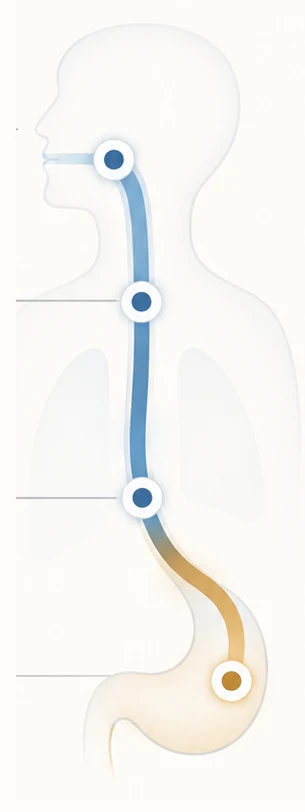
Read lesson4 minWhy does food feel stuck in my chest?
Food that feels stuck behind the breastbone is worth a doctor's visit. Here is what the food pipe does, a few conditions that affect it, and when it is an emergency.
Read lesson4 minCan COPD or breathing problems make swallowing harder?
Breathing and swallowing share the throat, so they take turns. With COPD or shortness of breath, that timing can slip. Here is what people notice and what can help.
Read lesson4 minCan a brain injury affect swallowing?
After a traumatic brain injury, swallowing can be affected along with attention and memory. Here is what people notice, and the options.
Read lesson3 minDoes myasthenia gravis affect chewing and swallowing?
With myasthenia gravis, chewing and swallowing can get harder as a meal goes on. Here is what people notice, and what helps.
Read lesson3 minCan muscular dystrophy or myopathy affect swallowing?
Some types of muscular dystrophy and myopathy can make chewing or swallowing harder. Here is what to look for and ask.
Read lesson3 minCan swallowing change for adults with cerebral palsy?
Many adults with cerebral palsy have eaten a certain way all their lives. Here is why things can shift, and what to ask.
Read lesson3 minHow does Sjögren's affect eating and swallowing?
Sjögren's is a condition that can dry the mouth and eyes. A dry mouth makes chewing and swallowing harder. Here is what helps, and who to ask.
Read lesson4 minWhat is Zenker's diverticulum?
Zenker's is a small pouch where the throat meets the food pipe. It is most often found in older adults. Food can collect there and come back up later.
Read lesson3 minWhy is swallowing hard after a breathing tube or neck surgery?
After a breathing tube, time in the ICU, or surgery on the front of the neck, swallowing can feel different. Many hospitals check it before you eat. Here is what to know.
Read lesson4 minCan getting frail make swallowing harder?
Swallowing slows a little with age, and that can still be healthy. Frailty, muscle loss and illness can push it past what it can manage. Here is the difference.
Read lesson4 minCan medicines make swallowing harder?
Medicines help, and some also affect swallowing. Here are three common ways, and what to ask. Never stop or change a medicine on your own.
Read lesson4 min
Tests, textures and care
Swallow tests, food levels, and keeping well.
What happens at a swallowing test with a speech-language pathologist?
A speech-language pathologist (SLP) watches how you eat and drink, sometimes with an X-ray or a tiny camera. Here is what each part shows, and what to ask.
Read lesson4 minWhat do the IDDSI food and drink levels mean?
You may hear about levels 0 to 7. Here is what each number means in practice, so you can understand a recommendation and talk it through.
Read lesson4 minWhat is aspiration, and what is silent aspiration?
Aspiration means food, drink or spit went into the airway. Usually a cough clears it. Sometimes there is no cough. Here is what that means.
Read lesson4 minCan brushing your teeth help prevent pneumonia?
If food or spit sometimes goes down the wrong way, mouth germs can go with it. Good mouth care may lower the chance of a chest infection.
Read lesson3 minHow do I know if swallowing trouble is affecting my weight or how much I drink?
Swallowing trouble can quietly lead to weight loss or not drinking enough. Here are the signs, and who can help.
Read lesson3 min
Caring for someone
Helping an adult or a child at meals.
How can I help someone eat more safely when swallowing is hard?
Sitting upright, a calm room and an easy pace help many people. Here is a simple set-up, what to watch for, and how to respect their choices.
Read lesson3 minHow do I know if my child needs help with feeding or swallowing?
Some children find eating, drinking or swallowing hard. Here are signs parents notice, what a feeding check offers, and who helps.
Read lesson4 min
Lessons cover most people.
Your Food Feel Profile is about you. Free, about 3 minutes, no account.