3 min read · Free
Your mouth is a phone booth
Food goes in as one thing and comes out as another. Chewing is the quick change.
Awaiting clinical review. This page is written from general, widely accepted background on how eating and swallowing work. It has not yet been signed off by a named clinician, and it is not a substitute for asking one.
The quick change
Think of a superhero ducking into a phone booth. In goes one person. Out comes someone else.
Your mouth does that with food. A dry, hard bite goes in. A soft, wet ball comes out, ready to swallow.
How it happens
Your teeth break food into small pieces. Your tongue moves it around. Saliva wets it and helps it stick together.
Speech-language pathologists call this the mouth stage of swallowing. It is the part you control.
A simple chew check
Try this with a food you already eat easily. Sit up and take a small bite.
- Chew as you normally would.
- Just before you swallow, pause and notice. Is it soft? Is it wet? Is it holding together?
- Then swallow as usual.
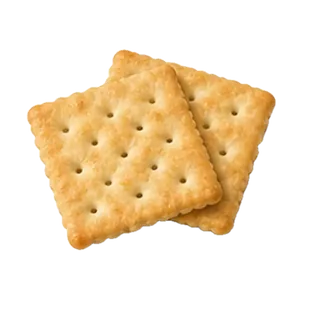
- Try again with a drier food, like a cracker. Notice how much longer it takes.
What makes the change harder
- Dry mouth. Less saliva means a drier, crumblier ball.
- Teeth or dentures that hurt or don't fit.
- Tough, dry or crumbly foods.
- Rushing, or big bites.
When this is worth asking about
- Chewing hurts, or your jaw gets tired quickly.
- Food often falls from your mouth or pockets in your cheeks.
- You cough or choke while eating.
- You are avoiding foods you used to eat, or losing weight.